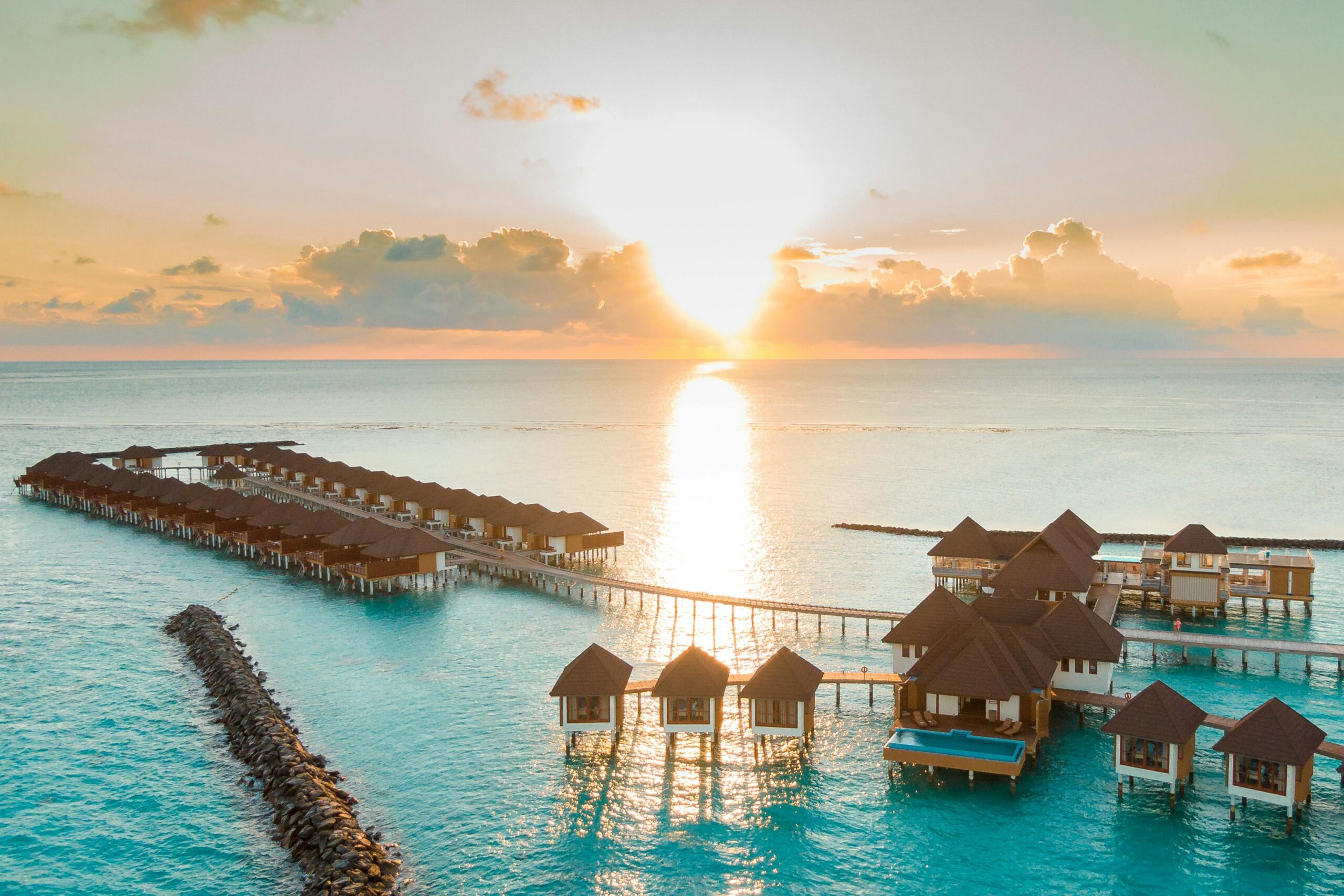
Introduction: The Shift from Comfort to Immersion
For generations, the cornerstone of vacation accommodation revolved around the traditional hotel model, a reliable framework that prioritized standardized comfort, climate control, and physical separation from the outside world, creating a predictable, albeit often sterile, travel experience. While the convenience and consistency of a conventional hotel remain undeniable for many, a rapidly growing segment of modern travelers has begun to feel a profound disconnect between this structured environment and their deep-seated desire for meaningful, authentic engagement with the natural landscapes they travel so far to explore.
This palpable weariness with the sterile anonymity of hotel rooms has fueled an exciting and revolutionary evolution in hospitality, giving rise to experiential lodging alternatives that consciously seek to integrate luxury with raw nature. Concepts like glamping (glamorous camping) and treehouses offer a compelling, high-end synthesis of adventure and indulgence, proving that one no longer has to sacrifice premium amenities and impeccable service to fully immerse oneself in an environment. This shift represents a fundamental redefinition of what constitutes a valuable travel stay, moving the focus away from simply resting indoors and toward creating unforgettable, story-worthy moments within the embrace of the wild.
Pillar 1: Glamping—The Fusion of Comfort and Wildness
Glamping elevates the traditional camping experience from basic survival to a luxurious, high-service vacation.
A. Defining the Luxury Tent Experience
Glamping accommodations maintain the rustic feel of camping while providing five-star hotel amenities.
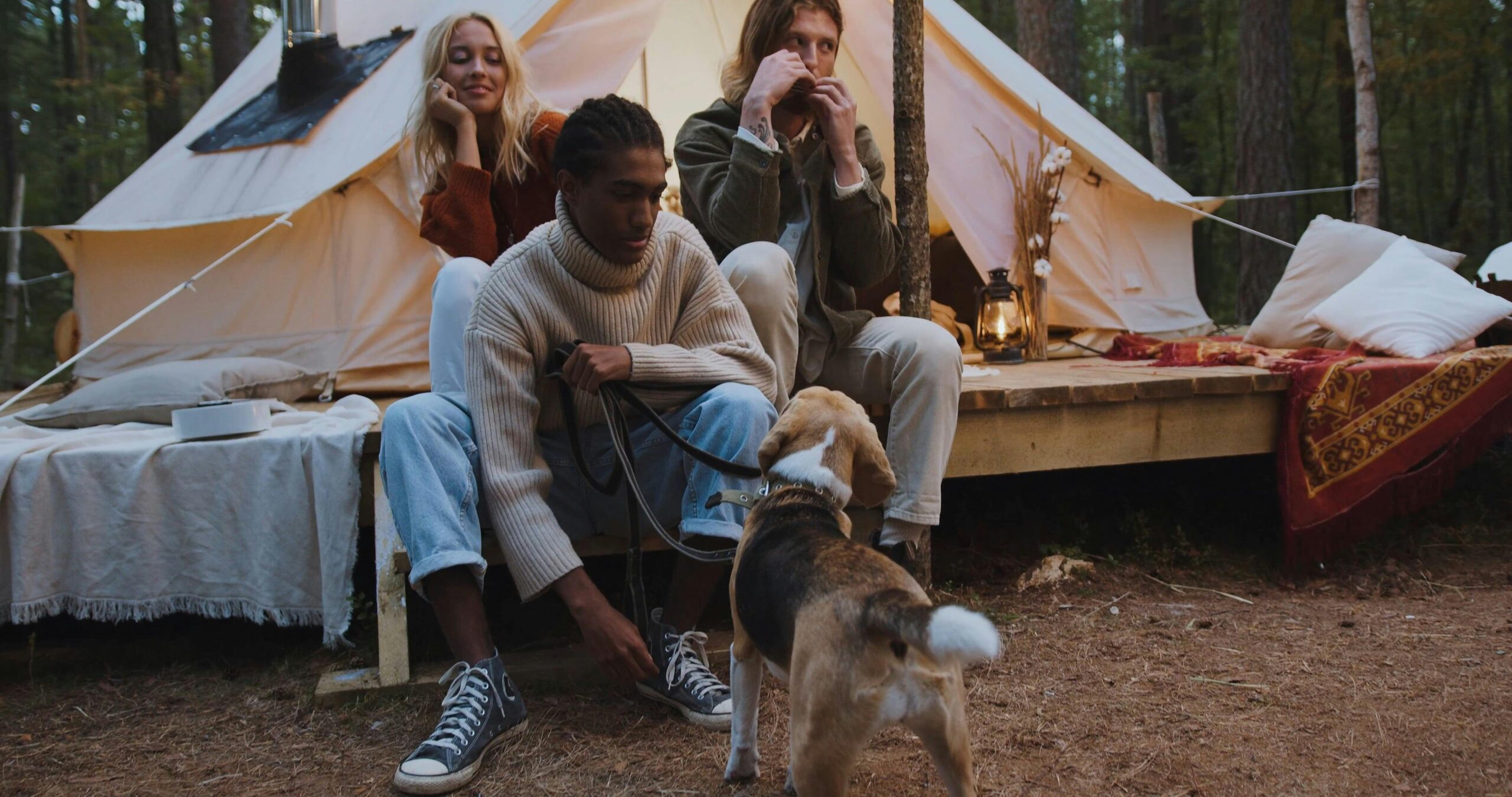
- Canvas and Comfort: The typical glamping unit is a spacious, robust canvas tent (a yurt, safari tent, or bell tent) that offers protection from the elements but allows the sounds and smells of nature to permeate the space.
- Full Amenities: Crucially, these tents are outfitted with real beds (often high-end mattresses and luxury linens), proper furniture, electricity, and often a controlled heating or cooling source.
- Private Bathrooms: The most luxurious glamping sites include private, en-suite bathrooms with running hot water, flush toilets, and often high-end toiletries, eliminating the need for shared facilities.
- No Set-Up Required: The primary appeal is that guests arrive to a fully set-up, ready-to-use lodging, removing all the physical labor and discomfort traditionally associated with camping.
B. Varieties of Glamping Structures
The glamping world extends far beyond the traditional canvas tent, offering diverse architectural options.
- Yurts and Domes: Yurts (round, lattice-walled structures) and Geodesic Domes offer incredible durability and are often used in colder climates, providing panoramic views through clear panels.
- Safari Tents: These are large, multi-room canvas tents, often featuring a private veranda or deck, mimicking the colonial-style luxury of African safari lodges.
- Airstreams and Caravans: Vintage Airstream trailers or customized caravans offer a retro-chic glamping experience, providing a sturdy, mobile, and often highly stylized accommodation option.
C. The Glamping Service Model
Service at these sites is highly personalized, focusing on curated outdoor experience and quality dining.
- Concierge-Level Activity Planning: Staff often act as experience concierges, arranging bespoke guided hikes, wildlife viewing, fishing trips, or cultural workshops.
- Gourmet Dining: Meals are frequently gourmet, locally sourced affairs (often served communally or delivered to the private tent) that surpass standard hotel fare, transforming dinner into an event.
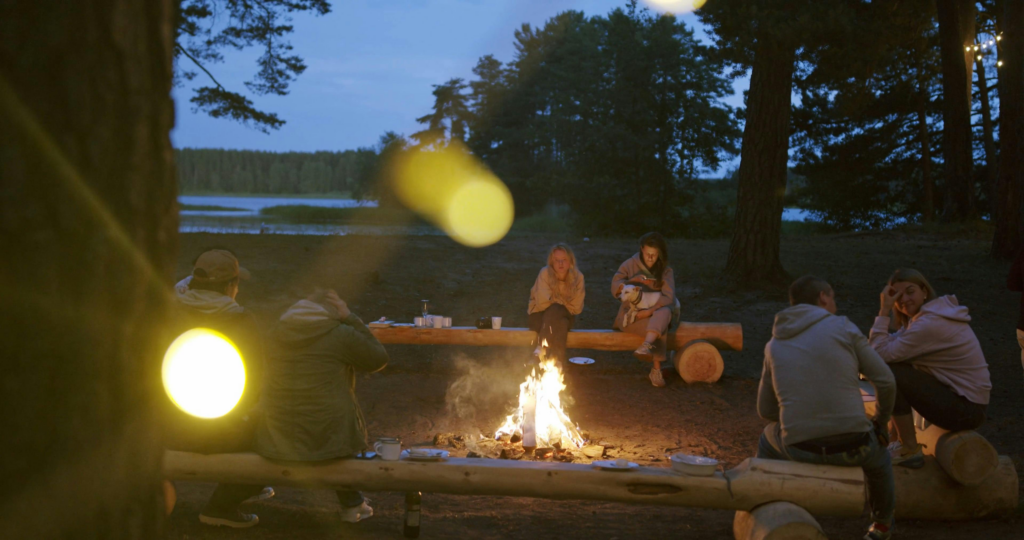
- Fireside Readiness: Simple comforts, like having a private campfire laid and ready to light each evening, or providing luxury picnic baskets for daily excursions, define the thoughtful service.
Pillar 2: Treehouses—The Elevated Escape
Treehouses offer a unique, nostalgic retreat that combines childhood wonder with architectural sophistication.
A. Architectural Marvels in the Canopy
Modern treehouses are engineering feats designed to coexist gently with the natural environment.
- Non-Invasive Construction: High-end treehouses use non-invasive techniques (such as specialized suspension systems or tension cables) to attach to the trees, ensuring the structure supports the trees without harming them.
- View Optimization: Their elevated position guarantees spectacular, private views of the surrounding forest canopy, valley, or coastline, often featuring wraparound decks and vast window walls.
- Structural Stability: Despite the rustic appearance, these are highly stable, fully insulated, and weatherproofstructures, providing superior protection and comfort compared to ground-level lodging.
B. The Appeal of Isolation and Perspective
Staying in a treehouse offers a unique psychological break and a new way to view the world.
- Elevated Privacy: The height inherently provides a superior level of privacy, isolating guests from other units and ground-level activity, creating a truly secluded sanctuary.
- Canopy Immersion: Guests are placed directly within the forest canopy, offering an intimate, unparalleled perspective on local birdlife and flora that cannot be replicated at ground level.
- Emotional Connection: The experience taps into a nostalgic sense of adventure, marrying the excitement of a childhood fort with the modern need for luxury and relaxation.
C. Amenities in the Air
Luxury treehouses often feature amenities that rival those of high-end hotel suites.
- Full Bathroom Integration: They include full, modern bathrooms that often feature walk-in showers or, in some cases, private outdoor soaking tubs nestled into the deck.
- Thoughtful Access: Access is safe and often charming, utilizing custom-built staircases, suspension bridges, or even small cable lifts, contributing to the overall sense of adventure.
- Integrated Kitchenettes: Many feature small, well-equipped kitchenettes or coffee stations, allowing guests to enjoy their first morning coffee while watching the sunrise over the treetops.
Pillar 3: The Experiential Travel Philosophy
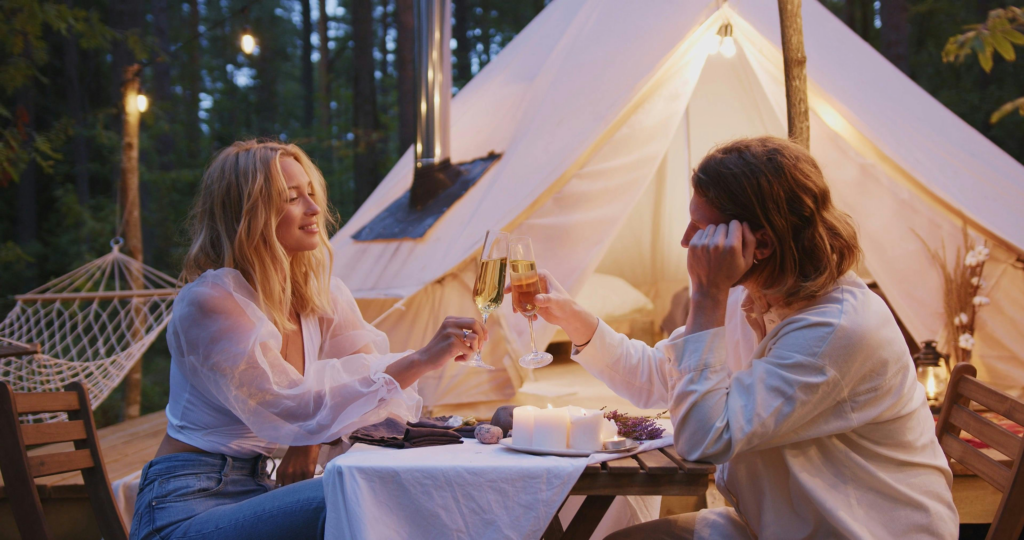
These lodging alternatives fulfill a deeper, psychological need that traditional hotels often fail to address.
A. The Desire for Digital Detox
Experiential stays offer a powerful, intentional break from the constant connectivity of modern life.
- Unplugging Opportunity: While Wi-Fi is often available, the primary focus on the natural environment and local activities gently encourages guests to unplug and disengage from their devices.
- Forced Presence: The absence of a large in-room TV or complex entertainment system forces guests to be fully present and observant of their immediate, natural surroundings.
- The Quiet Luxury: The experience champions “quiet luxury,” where the value is found in peace, solitude, and authentic interaction with the environment, rather than in digital stimulation.
B. Sustainability and Ethical Travel
Many experiential properties are built with strong environmental stewardship in mind.
- Low Impact Design: High-end glamping and treehouse sites often commit to low-impact development, using renewable materials and minimizing disruption to the natural habitat.
- Eco-Conscious Operations: They typically prioritize sustainable operations, including composting, rainwater harvesting, solar power, and supporting local conservation efforts.
- Conscious Consumerism: Choosing these alternatives allows travelers to engage in conscious consumerism, directing their spending toward businesses that actively prioritize environmental responsibility over mass development.
C. Creating Narrative and Memory
These unique stays generate stories that endure long after the trip ends.
- Story Worthy: The unconventional nature of the accommodation (sleeping in a transparent dome, showering under a waterfall, watching wildlife from a private deck) makes the experience inherently story-worthy.
- Emotional Recall: Memories tied to unique emotional experiences and sensory input (the smell of pine, the sound of rain on canvas) are more vividly recalled than those tied to a standard hotel room.
- Shared Experience: These locations foster shared, deep experiences between travel partners, making the memory of the stay a powerful bonding tool.
Pillar 4: Practical Considerations for Booking
Booking these niche accommodations requires a different strategy than securing a room in a chain hotel.
A. Booking Lead Time and Seasonality
Unique inventory means less flexibility and requires advance planning.
- Limited Inventory: Since sites typically only have a small number of unique units (e.g., only 5 treehouses), they book out much faster than a standard hotel with 200 rooms.
- Advance Reservation: For peak season or holidays, you must book six to twelve months in advance to secure the most desirable units. Last-minute spontaneity is rarely an option.
- The Weather Risk: While built for comfort, the experience is still deeply tied to nature. Research the peak weather seasons for the location and purchase travel insurance that covers weather-related disruptions.
B. Location Accessibility and Logistics
These properties are intentionally remote, affecting travel time and daily logistics.
- The Last Mile: Be prepared for a complex “last mile” journey—the property may be down an unpaved road, require a 4×4 vehicle, or involve a short hike or boat ride from the nearest public road.
- Limited Services Nearby: Due to the secluded location, access to external amenities (restaurants, pharmacies, gas stations) is limited. Plan to dine mostly on-site or bring supplies.
- On-Site Transportation: Clarify whether the property provides on-site transportation (e.g., shuttles to the nearest town or parking area) or if self-driving is required for the entire stay.
C. Understanding the True Price Structure
The high price reflects the specialized nature of the construction and the experience.
- Construction Premium: The cost is high due to the specialized engineering (for treehouses) or the high cost of furnishing luxury amenities in remote, non-standard structures (for glamping).
- All-Inclusive Options: Many sites are effectively all-inclusive, bundling gourmet meals, daily activities, and sometimes even alcoholic beverages into the nightly rate. Always check the inclusions before comparing prices.
- Value Comparison: Do not compare the price to a standard hotel. Compare it to the total cost of lodging + high-end dining + guided activities to gauge the true value of the experiential package.
Pillar 5: Specialized Sub-Genres of Experiential Stays
The market is rapidly diversifying, offering increasingly niche and immersive options.
A. Underwater and Subterranean Lodging
These properties push the boundaries of extreme, engineered immersion.
- Underwater Suites: Some unique resorts feature fully submerged suites with panoramic acrylic windows, allowing guests to sleep while viewing marine life, offering an aquatic perspective.
- Cave Hotels: Found in regions with soft volcanic rock (like Cappadocia, Turkey), cave hotels offer a cool, quiet, and historically rich subterranean experience with full luxury amenities.
- Glass Igloos: Popular in Arctic regions, transparent glass igloos allow guests to lie in bed and watch the Northern Lights (Aurora Borealis) in complete warmth and comfort.
B. Remote and Wellness-Focused Retreats
These locations prioritize mental health, digital detox, and solitude above all else.
- Silent Cabins: Focused on complete solitude, these minimalist cabins are intentionally placed in remote areas with limited connectivity, often encouraging digital-free stays and mindfulness practices.
- Farm Stays (Agritourism): These allow guests to stay on a working farm or ranch, participating in daily activities, sourcing their own food, and reconnecting with agricultural production in a high-quality setting.
- Thermal and Hot Spring Lodging: Properties built directly next to natural thermal hot springs offer exclusive access to therapeutic bathing rituals integrated into the daily stay.
C. Unique Conversion Lodging
Repurposing historic or industrial structures into luxury stays.
- Lighthouse Stays: Converting remote, historic lighthouses into unique, self-contained lodging units that offer spectacular views and an isolated, maritime experience.
- Train Caboose Conversions: Repurposing vintage train cars or cabooses into highly stylized, cozy, stationary lodging units, appealing to lovers of history and unique design.
- Shipping Container Hotels: Building sustainable, modern, and highly modular hotels out of repurposed shipping containers, offering an urban-chic and eco-friendly alternative to standard construction.
Conclusion: Investing in Authentic Connection
Experiential hotel alternatives mark a clear and permanent evolution away from sterile, standardized accommodation.
The success of glamping is built upon the promise of genuine connection with nature while stubbornly refusing to sacrifice any degree of five-star luxury and premium amenity. Treehouses capture a profound psychological desire for isolation and adventure, providing a unique, elevated perspective from the privacy of the natural canopy.
This kind of travel actively supports the digital detox movement, encouraging guests to unplug and fully engage with their immediate, sensory surroundings for a more restorative vacation. By choosing these properties, travelers often align their spending with businesses that prioritize environmental stewardship and local, low-impact development.
Booking these specialized stays requires significant advance planning due to the inherently limited inventory of these unique, hand-crafted units. Travelers must always factor in the complex logistical requirements of reaching these intentionally remote and secluded locations.
The higher nightly rate accurately reflects the substantial specialized construction costs and the inclusion of high-value services like gourmet meals and personalized activity planning. Ultimately, choosing these unique lodgings means prioritizing memory-making and authentic narrative over the bland convenience of predictable uniformity.