The hospitality industry is currently undergoing a massive digital metamorphosis that is fundamentally changing how travelers interact with physical spaces. For many years, the standard for a good hotel stay was defined purely by the quality of the linens or the friendliness of the front desk staff. While these elements still matter, modern guests now prioritize seamless digital interactions and personalized control over their entire environment. We are moving away from fragmented legacy systems that operate in silos toward a unified digital ecosystem where every touchpoint is connected. This integration allows a hotel to recognize a returning guest instantly and adjust room settings before they even walk through the door.
High-tech solutions are no longer just a luxury for five-star resorts; they are becoming a baseline expectation for the modern digital nomad. By merging physical hospitality with sophisticated software, property owners can unlock new levels of operational efficiency and guest satisfaction. This article will dive deep into the specific technologies that are creating this new standard of frictionless travel. Understanding these integrated systems is the key to surviving in a competitive market where convenience is the new gold standard.
The Rise of the Smart Guest Room
The hotel room of the future is no longer a static box but an interactive environment that responds to the guest’s presence. Integrated systems allow for “Smart Rooms” where lighting, climate, and entertainment are controlled through a single interface. This is often achieved using the Internet of Things (IoT) technology that connects every appliance to a central management system. Guests appreciate the ability to customize their space without having to navigate complicated manual switches. For the hotel, this connectivity provides valuable data on energy usage and equipment health in real-time.
A. Voice-Activated Room Assistants
Modern rooms are increasingly equipped with voice-controlled hubs that can answer questions about hotel amenities. These devices allow guests to order room service or request extra towels without ever picking up a physical telephone. It creates a “hands-free” experience that feels futuristic and highly convenient for the traveler.
B. Integrated Climate and Lighting Scenes
Smart thermostats and LED lighting systems can be programmed into specific “scenes” such as “Sleep,” “Work,” or “Relax.” When a guest checks in via the mobile app, the system can automatically set the room to their preferred temperature. This level of personalization makes the guest feel seen and valued by the hotel brand.
C. Smart Mirrors and Digital Displays
Mirrors in high-end bathrooms now double as information displays, showing the weather, news, or spa appointment reminders. These integrated displays reduce clutter in the room while providing essential information in a sleek, non-intrusive way. It is a perfect example of how technology can blend seamlessly into the traditional aesthetic of a luxury hotel.
Contactless Journeys and Mobile Integration
The pandemic accelerated the demand for contactless services, and this trend has now become a permanent fixture in the hospitality world. Mobile integration allows a guest to manage their entire stay—from booking to checkout—using nothing but their own smartphone. This reduces wait times at the lobby and frees up staff to focus on more complex guest needs. A frictionless check-in process sets a positive tone for the rest of the stay. It empowers the guest to move at their own pace without unnecessary human friction.
A. Mobile Key and Digital Entry
By using Bluetooth or NFC technology, a guest’s smartphone can act as their room key. This eliminates the need for plastic key cards that are easily lost or deactivated by magnetic fields. It also allows guests to bypass the front desk entirely and go straight to their room upon arrival.
B. In-App Concierge and Messaging
Direct messaging through a hotel app allows guests to communicate with staff in real-time for any request. Whether it is a late checkout or a local restaurant recommendation, the response is instant and documented. This integrated communication channel ensures that no guest request falls through the cracks.
C. Digital Payments and Express Checkout
Integrating the property management system with secure mobile payment gateways makes the final bill a breeze. Guests can review their charges on their phone and check out with a single tap as they head to the airport. This removes the last potential point of frustration at the end of a trip.
Data-Driven Personalization through CRM
A Customer Relationship Management (CRM) system is the heart of a hotel’s ability to provide a personalized experience at scale. When the CRM is integrated with the Property Management System (PMS), it creates a 360-degree view of the guest’s history and preferences. If a guest always asks for a quiet room on a high floor, the system can flag this automatically for every future booking. Personalization is what turns a one-time visitor into a loyal brand advocate. It shows that the hotel values the individual’s specific needs rather than treating them as just another room number.
A. Automated Loyalty Recognition
Integrated systems ensure that loyalty members are recognized and rewarded across different properties within a brand. This might include an automatic room upgrade or a welcome amenity tailored to the guest’s known tastes. This consistency builds deep trust and encourages repeat business in a crowded market.
B. Predictive Guest Analytics
By analyzing past behavior, AI-driven systems can predict what a guest might want during their current stay. For example, if a guest frequently visits the hotel gym, the app can send a notification about a new yoga class. This proactive approach to service feels like a “digital butler” that anticipates needs before they are voiced.
C. Tailored Marketing and Retargeting
Post-stay communication becomes much more effective when it is based on actual data from the guest’s visit. Instead of generic newsletters, hotels can send personalized offers for a spa discount to a guest who visited the spa twice. This relevant communication increases the likelihood of a return booking significantly.
Operational Efficiency through Backend Integration
While the guest sees the front-end technology, the real magic happens in the backend integration of hotel operations. When housekeeping, maintenance, and the front desk are on the same digital platform, the entire property runs like a well-oiled machine. This reduces the “information lag” that often leads to guest complaints about unready rooms or broken fixtures. Automation handles the repetitive tasks, allowing the human staff to focus on high-value hospitality. Efficiency in the backend directly translates to a smoother experience for the guest in the front.
A. Real-Time Housekeeping Management
Housekeeping staff can update the status of a room on a tablet the moment they finish cleaning it. This update is instantly visible to the front desk, allowing them to check in waiting guests much earlier. It also allows for “dynamic routing,” where staff are sent to the most urgent rooms first based on arrival data.
B. Predictive Maintenance Systems
IoT sensors can monitor the health of large systems like HVAC units or kitchen refrigerators. If a unit starts to vibrate abnormally or use too much power, the system creates a maintenance ticket automatically. This allows the hotel to fix the problem before the guest ever notices a lack of hot water or cold air.
C. Unified Inventory and Procurement
Integrating the food and beverage systems with procurement software ensures that the hotel never runs out of popular items. It also tracks waste and costs with extreme precision, helping the hotel stay profitable. A well-stocked and efficient hotel is a place where guests feel consistently well-cared for.
The Role of Artificial Intelligence and Chatbots
Artificial Intelligence is the “brain” that makes integrated systems truly smart by processing massive amounts of data in seconds. AI-powered chatbots can handle thousands of routine guest inquiries simultaneously, providing instant answers at any hour of the day. This is particularly useful for international travelers who might be arriving in a different time zone. As these systems learn through machine learning, their ability to handle complex requests becomes more impressive. AI allows a hotel to scale its service without sacrificing the quality of the response.
A. 24/7 Multi-Lingual Support
Chatbots can speak dozens of languages, ensuring that every guest feels understood and welcome. This removes the language barrier that can often be a source of stress for international tourists. It provides a level of accessibility that would be very expensive to achieve with human staff alone.
B. Dynamic Pricing and Revenue Management
AI algorithms analyze market demand, local events, and competitor pricing to adjust room rates in real-time. This ensures that the hotel is always offering a competitive price while maximizing its own revenue. For the guest, this can often mean finding great deals during off-peak times through automated notifications.
C. Automated Sentiment Analysis
The system can scan social media and review sites to understand how guests are feeling about their stay in real-time. If multiple guests mention a cold pool, the management is alerted instantly to address the issue. This allows for “service recovery” while the guest is still on the property, preventing a negative review later.
Sustainability and Energy Management Systems
Integrated technology is also the primary driver for sustainability in the modern hospitality sector. Smart buildings can significantly reduce their carbon footprint by managing light and heat based on occupancy. Guests are increasingly choosing hotels that demonstrate a commitment to environmental responsibility. A “Green Hotel” is not just good for the planet; it is also much more cost-effective to operate in the long run. Technology allows us to provide a luxury experience without the traditional waste associated with grand hotels.
A. Occupancy-Based Energy Control
Sensors can detect when a guest has left the room and automatically dim the lights and adjust the thermostat. This prevents the massive energy waste that occurs when empty rooms are fully cooled or heated all day. It is a silent way to be sustainable that doesn’t affect the guest’s comfort levels.
B. Digital Newspaper and Compendium
Replacing heavy printed books and newspapers with digital versions on a tablet saves thousands of tons of paper annually. It also ensures that the information is always up-to-date, unlike printed materials that become obsolete quickly. Guests can browse menus and local maps on a high-definition screen that feels modern and clean.
C. Smart Water Management
Sensors can detect leaks in the plumbing system that might otherwise go unnoticed for weeks. In regions where water is scarce, this technology is vital for preserving local resources. It shows the guest that the hotel is a responsible member of the local community.
Future Trends: VR and Biometrics
As we look toward the next decade, technologies like Virtual Reality (VR) and biometrics will become even more integrated into the hotel journey. VR allows potential guests to “walk through” their room before they even book it, reducing the chance of disappointment. Biometrics, such as facial recognition, could one day replace the mobile key entirely, allowing for a truly “invisible” check-in. The goal of all these innovations is to remove the “mechanics” of travel so that the guest can focus on the experience itself. The future of hotel technology is one where the system is invisible but the service is omnipresent.
A. Immersive Pre-Stay Experiences
VR tours of the hotel spa, gym, and restaurant help guests plan their trip and build excitement. This transparency builds trust and helps manage expectations before the guest arrives on site. It is a powerful marketing tool that turns “browsers” into “bookers” very quickly.
B. Biometric Security and Payments
Facial recognition could eventually allow guests to pay for a drink at the pool or enter the gym with just a glance. This provides a high level of security while being incredibly convenient for the guest. It removes the need to carry a wallet or a phone around the resort property.
C. Robot Room Service and Delivery
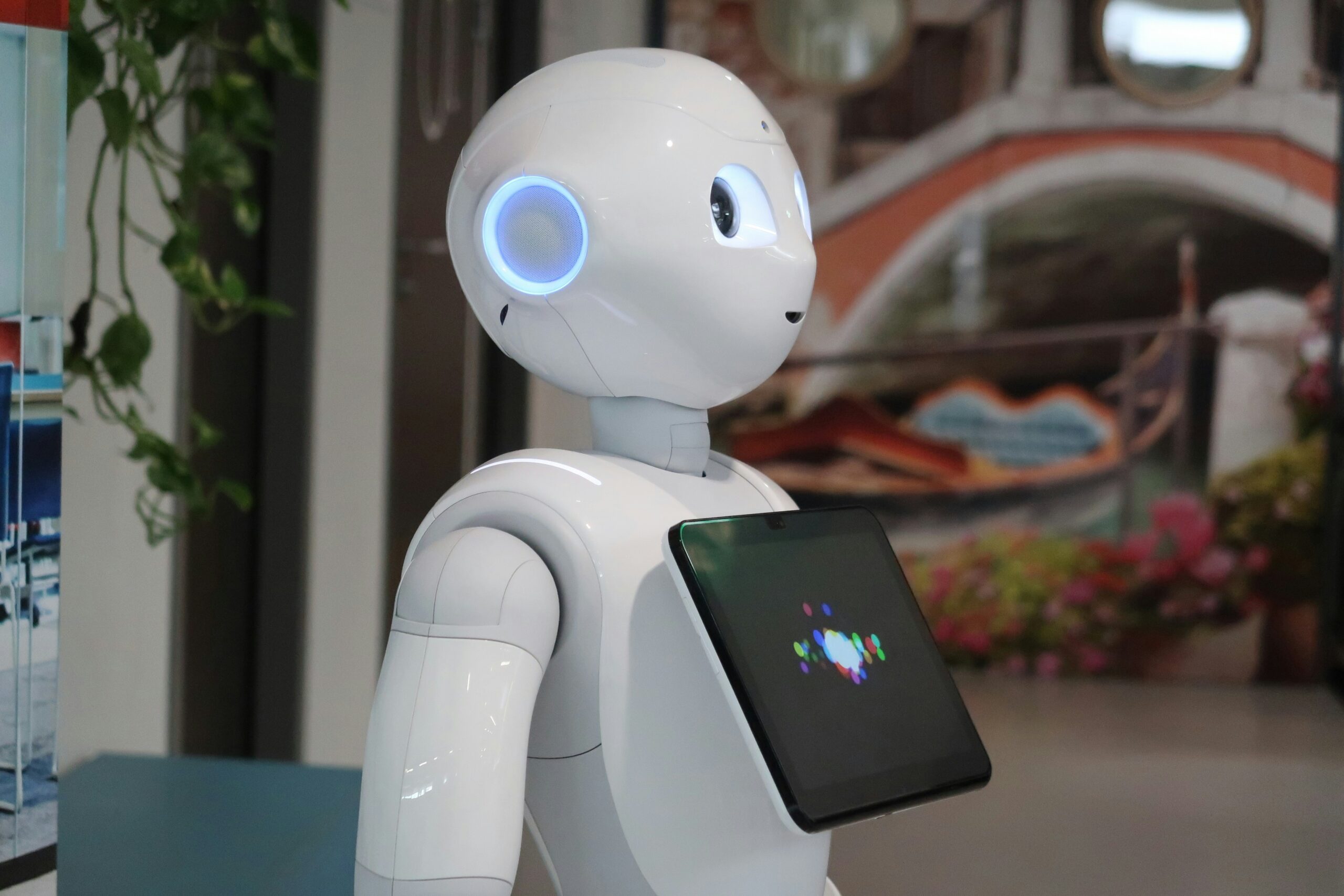
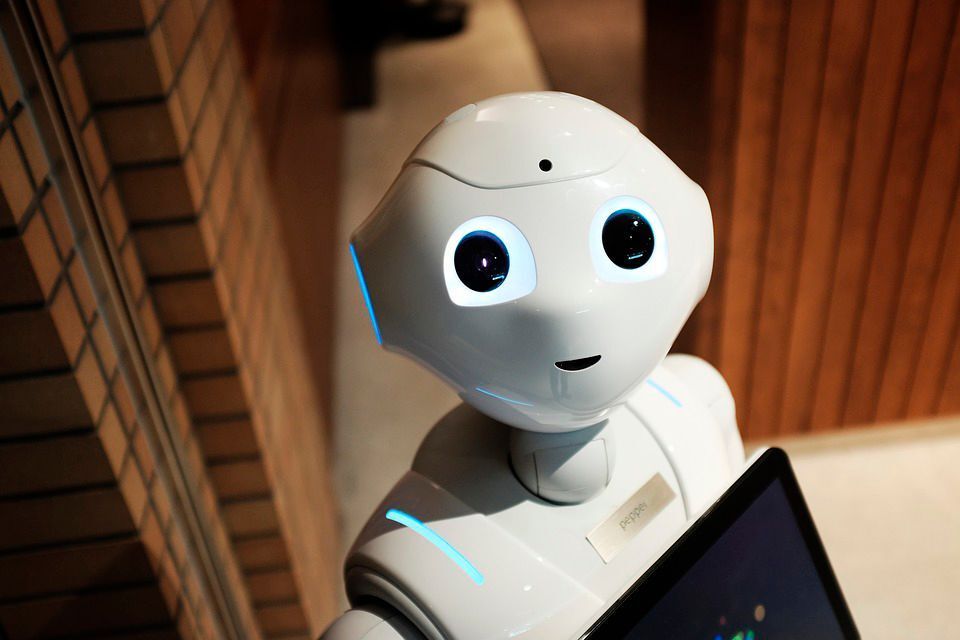
Autonomous robots are already being used in some hotels to deliver snacks or extra pillows to rooms. These robots can navigate elevators and hallways safely, providing a fun and efficient way to handle minor requests. It is a great way to handle late-night deliveries when human staffing might be lower.
Conclusion

The integration of advanced technology is no longer an optional feature for the modern hotelier. Guests now expect a digital experience that is just as seamless as their life at home. Connected systems provide the data needed to offer truly personalized and memorable stays. Operational efficiency is greatly improved when all departments speak the same digital language. Sustainability through smart tech is becoming a major factor in guest decision-making today.
The future of hospitality is a perfect blend of human warmth and machine precision. Every touchpoint in the guest journey is an opportunity to use technology for good. Investing in these systems today ensures the long-term survival of your brand in the future. We are entering a golden age of travel where the friction of the past is gone. The ultimate goal of hotel technology is to make the guest feel completely at home.