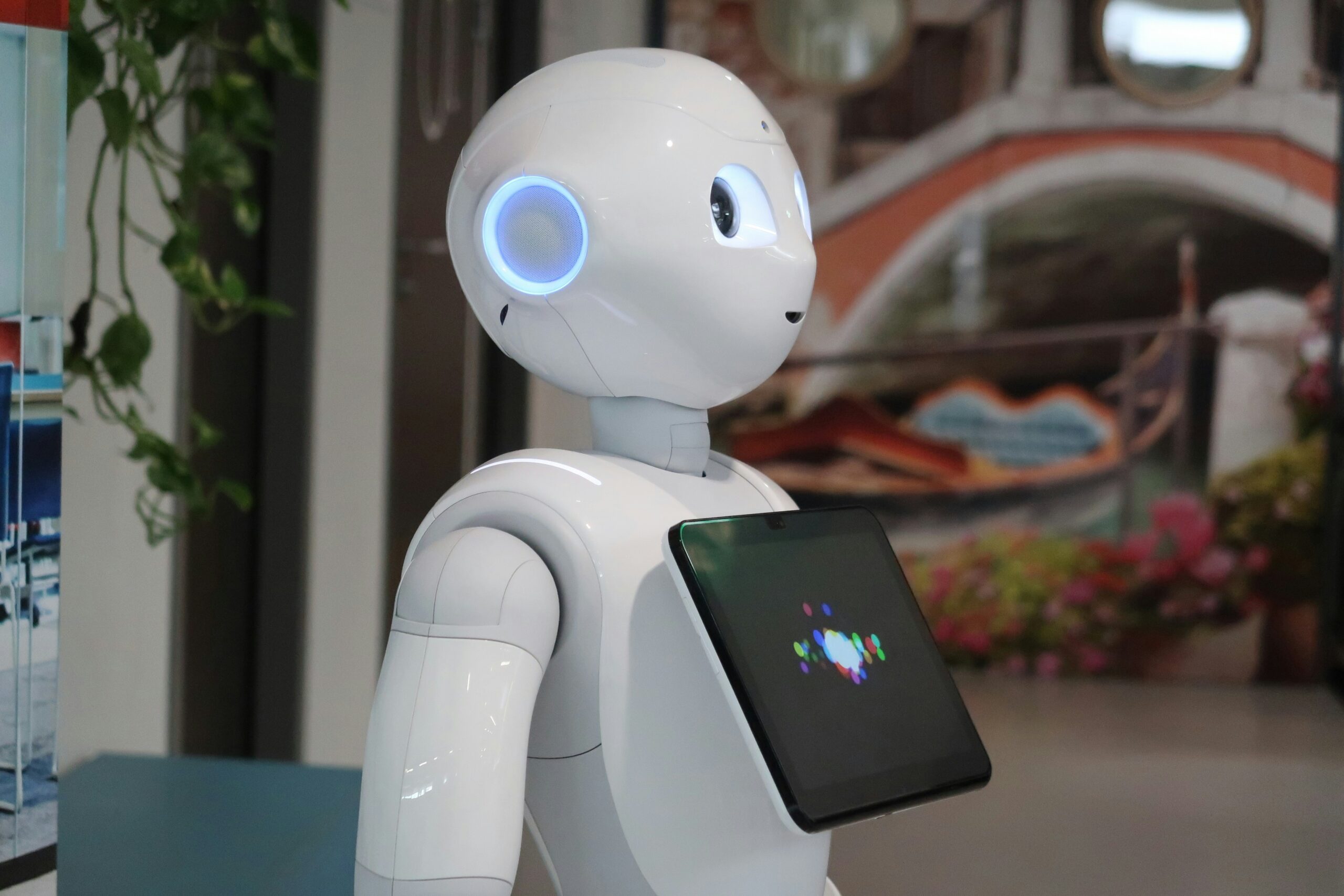
The hospitality industry is currently standing at a pivotal crossroads where traditional service meets the cutting-edge frontier of digital transformation. For decades, the hotel experience was defined by human touchpoints and manual processes, but the modern traveler now expects a seamless, tech-integrated journey from booking to checkout. This shift is not merely about replacing staff with machines, but rather about leveraging sophisticated systems to personalize every aspect of a guest’s stay. F
rom the moment a traveler begins their search, data-driven algorithms are working behind the scenes to curate offers that align with their specific preferences and past behaviors. Once they arrive at the property, the friction of waiting in long lobby lines is being eliminated by mobile-first solutions that empower the guest. Smart room environments now allow for unprecedented control over ambient settings, ensuring that comfort is tailored to the individual rather than a generic standard.
Furthermore, the operational backbone of these establishments is being revolutionized by artificial intelligence, which predicts maintenance needs and optimizes energy consumption. As the global travel market becomes increasingly competitive, the adoption of these innovative technologies has become a necessity for survival and growth. This comprehensive exploration into the world of smart hospitality will reveal how digital integration is creating a more efficient, sustainable, and deeply memorable experience for guests worldwide.
The Evolution of the Contactless Guest Journey

The concept of a contactless journey has transitioned from a niche convenience to a primary expectation for the modern, safety-conscious traveler. This transformation begins long before the guest arrives at the front door, integrating mobile devices into every step of the physical experience.
A. Mobile Check-In and Digital Key Integration
The traditional front desk is no longer the mandatory first stop for travelers arriving after a long flight. Through dedicated property apps, guests can now verify their identity, provide payment details, and receive a digital key directly on their smartphone. This technology utilizes Near Field Communication (NFC) or Bluetooth Low Energy (BLE) to unlock room doors with a simple tap. By bypassing the lobby, guests enjoy a sense of autonomy and speed that was previously impossible.
B. Virtual Concierge and AI Chatbots
Human concierges are now being augmented by sophisticated AI-driven chatbots that provide instant responses to common queries. Whether a guest needs extra towels, wants to know the pool hours, or requires a local restaurant recommendation, these virtual assistants are available twenty-four hours a day. This reduces the burden on front-of-house staff, allowing them to focus on complex, high-value guest interactions. The speed of these digital responses significantly boosts overall guest satisfaction scores.
C. Seamless Mobile Payments and Billing
The days of reviewing a paper folio at the end of a stay are quickly fading into the past. Integrated payment gateways allow guests to track their incidental spending in real-time through their mobile devices. At the conclusion of their stay, “Express Checkout” features allow for a one-click departure, with receipts sent automatically to their email. This transparency eliminates billing surprises and ensures a smooth, stress-free transition from the hotel to their next destination.
Revolutionary Smart Room Environments
The hotel room is no longer just a place to sleep; it has become an interactive environment that responds to the specific needs of its occupant. By utilizing the Internet of Things (IoT), hotels are creating highly personalized spaces that feel like a home away from home.
A. Intelligent Climate and Lighting Control
Smart thermostats and lighting systems can now be programmed to recognize when a guest enters or leaves the room. These systems can automatically adjust the temperature to the guest’s preferred setting, which may have been saved from a previous stay at a sister property. Lighting scenes, such as “Work,” “Relax,” or “Sleep,” can be activated via voice command or a bedside tablet. This level of customization ensures maximum comfort while significantly reducing unnecessary energy waste.
B. Voice-Activated In-Room Assistants
Voice technology, powered by platforms like Amazon Alexa or Google Assistant, is becoming a standard feature in luxury and tech-forward mid-scale hotels. Guests can use voice commands to close the curtains, order room service, or play their favorite music streaming service. This hands-free interface is particularly useful for accessibility, allowing guests with mobility issues to control their environment with ease. It adds a layer of futuristic luxury that distinguishes modern properties from their traditional competitors.
C. High-Speed Connectivity and Casting
In the age of digital nomads and streaming media, basic Wi-Fi is no longer sufficient. Hotels are investing in ultra-high-speed fiber networks that can handle multiple devices per guest without lag. Furthermore, smart TVs are now equipped with secure casting technology, allowing guests to stream content from their own Netflix or YouTube accounts directly to the big screen. This ensures that guests have access to their own personalized entertainment library throughout their stay.
Optimizing Operations Through Data Analytics
Behind the scenes, the management of a hotel is being transformed by the power of big data and predictive analytics. These tools allow managers to make informed decisions that improve profitability while enhancing the quality of service provided to every visitor.
A. Predictive Maintenance Systems
Smart sensors attached to critical infrastructure, such as HVAC units and elevators, can detect anomalies before a failure occurs. This “predictive” approach allows maintenance teams to fix issues during off-peak hours rather than dealing with an emergency that disrupts the guest experience. By extending the life of expensive equipment, hotels can save millions in capital expenditures over time. It ensures that the facility always operates at peak efficiency.
B. Dynamic Pricing and Revenue Management
Revenue management systems now use machine learning to analyze local events, weather patterns, and competitor pricing in real-time. This allows hotels to adjust their room rates dynamically, ensuring they maximize occupancy and RevPAR (Revenue Per Available Room). These algorithms can predict demand surges weeks in advance, allowing for strategic marketing campaigns to fill gaps in the calendar. This level of financial precision is the hallmark of a successful modern hospitality brand.
C. Inventory and Supply Chain Automation
Managing the vast inventory of a hotel, from linens to minibar snacks, is a logistical challenge that is now being handled by automated software. RFID tags can track the movement of laundry, ensuring that stock levels remain optimal and reducing loss. Automated ordering systems can trigger purchases when supplies hit a certain threshold, preventing “out-of-stock” scenarios. This efficiency allows the property to operate with a leaner staff and lower overhead costs.
Enhancing Security and Privacy Measures
As hotels collect more data and integrate more digital systems, the importance of cybersecurity and physical safety has never been higher. Modern hospitality tech is focused on protecting both the guest’s physical well-being and their sensitive digital information.
A. Advanced Cybersecurity for Guest Data
With the rise of data breaches, hotels are implementing enterprise-grade encryption and multi-factor authentication for all guest-facing systems. Personal information and credit card details are tokenized to ensure that even if a breach occurs, the data is useless to hackers. Regular security audits and employee training are now a mandatory part of the operational routine. Maintaining a reputation for data security is vital for building long-term guest trust.
B. Biometric Access and Facial Recognition
Some high-end properties are experimenting with biometric technology for secure access to VIP lounges or specialized facilities. Facial recognition can be used to greet returning guests by name or to provide seamless access to elevators and gym areas. While privacy concerns are always addressed through strict opt-in policies, many guests appreciate the high-tech security these systems provide. It represents the pinnacle of personalized, secure hospitality.
C. Cloud-Based Surveillance and Monitoring
Modern security cameras are now integrated with AI that can detect unusual behavior or unauthorized access in real-time. These cloud-based systems allow security teams to monitor multiple areas of a massive resort from a single mobile device. Automated alerts can be sent to the nearest staff member if a safety hazard is detected, such as a spill in a hallway or a blocked fire exit. This proactive stance on safety protects both the guests and the property’s liability.
Sustainability and the Green Tech Revolution
The hospitality industry is one of the largest consumers of resources, and technology is playing a key role in reducing its environmental footprint. “Green” tech is no longer just a marketing buzzword; it is a fundamental part of the modern hotel’s building stack.
A. Energy Management Systems (EMS)
Sophisticated EMS platforms can reduce a hotel’s total energy consumption by up to thirty percent. By integrating with the Property Management System (PMS), the building can “power down” entire floors that are unoccupied. Smart windows can tint automatically to reduce solar heat gain, lowering the load on air conditioning systems. These initiatives are highly attractive to the growing demographic of eco-conscious travelers.
B. Water Conservation Technologies
Smart showerheads and low-flow toilets are being paired with leak detection sensors to drastically reduce water waste. In some regions, greywater recycling systems are being used to irrigate hotel gardens and landscapes. These technologies not only help the planet but also significantly lower utility bills for the property owners. Sustainability and profitability are increasingly seen as two sides of the same coin.
C. Digital Waste Reduction and Paperless Operations
By moving all guest communications, menus, and directories to a digital format, hotels are saving thousands of pounds of paper every year. QR codes in restaurants and guest rooms allow for instant access to information without the need for physical printing. Even back-office operations are going paperless, with digital signatures and cloud storage becoming the norm. This shift creates a cleaner, more modern aesthetic while supporting global environmental goals.
Conclusion

The digital revolution in hospitality is an unstoppable force. Success in this industry now depends on your tech stack. Guests will always choose convenience over outdated traditional methods.
Investing in smart rooms is an investment in your brand. Data is the most valuable asset a hotel manager owns. Security and privacy must remain your top priority at all times. The future belongs to those who embrace innovation today. Hospitality is being redefined by the power of the chip.