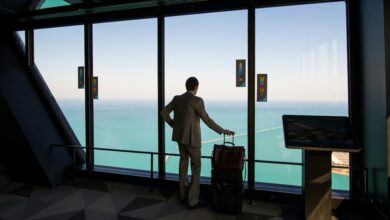
Introduction: Optimizing Productivity on the Road
For the contemporary professional whose responsibilities frequently demand extensive travel, a hotel stay transcends the simple requirement of providing shelter and becomes a critically important extension of the office environment, directly impacting productivity and the successful execution of remote work tasks. Unlike leisure travelers who prioritize relaxation and local immersion, the business traveler’s primary concern must be seamless efficiency, ensuring that the chosen accommodation actively supports complex workflow requirements, from secure high-speed communication to reliable logistical support.
Selecting the incorrect hotel, one that prioritizes aesthetics over functionality or charges exorbitant rates for basic professional necessities, can introduce significant friction, leading to missed deadlines, frustrating technical issues, and unnecessary increases in travel expense reports. Therefore, a successful business trip hinges entirely on a meticulously strategic selection process, requiring a detailed checklist that moves beyond surface-level amenities to scrutinize the foundational infrastructure and specialized services that truly matter when the clock is ticking and deadlines loom. Mastering this essential evaluation skill ensures that the temporary workspace provided by the hotel enhances, rather than hinders, the traveler’s professional output and overall experience.
Pillar 1: Connectivity and Digital Infrastructure
The most critical factor for any business traveler is guaranteed, high-performance, and secure digital access.
A. The Non-Negotiable Wi-Fi Standard
Slow, unreliable, or insecure internet access can paralyze a business trip entirely.
- Guaranteed High Speed: Do not settle for “Free Wi-Fi.” The hotel must explicitly guarantee high-speed or “Premium” Wi-Fi access that can support video conferencing, large file uploads, and simultaneous device usage without lag.
- Verification of Cost: Clarify if the premium, high-speed tier is complimentary or if there is a daily fee. If a fee exists, confirm that it is covered by the corporate travel policy.
- Network Security: Inquire about the security of the Wi-Fi network. While VPNs are standard for corporate security, the hotel should employ basic password protection and network separation.
- Signal Strength: Always choose hotels, especially in older buildings, that explicitly state they have recently upgraded their network or use access points in every room, not just shared routers in hallways.
B. Power and Workspace Ergonomics
The room must be immediately functional as a reliable, comfortable temporary office.
- Desk Design: The room must feature a dedicated, ergonomic desk or work surface that is large enough to accommodate a laptop, secondary monitor, and necessary documents.
- Power Accessibility: There must be easily accessible power outlets near the desk area. Searching for outlets behind furniture is a common and avoidable time-waster.
- Lighting Quality: Ensure the workspace has bright, adjustable, non-glare lighting suitable for extended working hours, avoiding overly dim or mood-lighting schemes.
- Multiple Charging Ports: Check for the presence of built-in USB or USB-C charging ports near the bed and desk, minimizing the need to unpack bulky charging adapters.
C. Reliable Communication Tools
Unexpected needs for physical communication support can arise at any time.
- Business Center Access: The hotel must provide a 24-hour business center equipped with reliable, functioning printers, scanners, and copiers.
- Local Phone Service: Confirm that local and toll-free calls are complimentary or available at a reasonable, clearly stated rate, especially if you need to contact local vendors or clients frequently.
- Dedicated Fax/Scanning: For legal or contract work, ensure the hotel can provide a secure, discrete way to receive faxes or handle confidential scanning without public exposure.
Pillar 2: Location and Logistical Efficiency
The placement of the hotel must shave minutes off the daily schedule and minimize travel stress.
A. Proximity to Key Destinations
Location is a time-saver that directly translates to productivity.
- The “5-Minute Rule”: The hotel should be located within a 5-minute taxi or public transport ride of the primary business destination (office, convention center, client headquarters).
- Airport Accessibility: For trips involving frequent arrivals and departures, prioritize hotels with direct, efficient transit links (trains, dedicated shuttles) to the airport, bypassing heavy traffic zones.
- Client Entertainment: If client meetings are planned, the hotel should be within walking distance of high-quality dining options suitable for professional business entertainment.
B. Transportation Reliability
Seamless movement between appointments is non-negotiable for a packed schedule.
- Taxi/Ride-Share Staging: The hotel must have a dedicated, efficient staging area for taxis and ride-share services, minimizing wait times during peak morning or evening hours.
- Parking Cost: If a rental car is necessary, clarify the cost of valet versus self-parking. High parking fees can quickly inflate the expense report.
- Public Transport Access: Identify the nearest major public transport hub. Being near a subway or major bus line offers a reliable backup option when traffic is unpredictable.
C. Security and Discretion
Business travelers often carry sensitive data and expensive equipment that require a secure environment.
- Key Card Access: The hotel should require key card access to elevators and guest floors, adding a layer of security against unauthorized visitors.
- In-Room Safe: The room must feature a large, reliable in-room safe capable of accommodating a standard laptop and sensitive documents.
- Lobby Traffic: Choose hotels with minimal, well-controlled lobby traffic. Lobbies should be professional, avoiding high volumes of tourist groups that can be noisy or cause delays.
Pillar 3: Specialized Hotel Services
A business-friendly hotel offers amenities that directly solve professional and logistical challenges.
A. The Power of the Executive Lounge
The lounge is more than just free snacks; it is a critical workspace and networking zone.
- Workspace Alternative: The lounge provides a quiet, reliable alternative workspace away from the hotel room, ideal for informal meetings or focused work.
- Networking Opportunities: It serves as a natural setting for informal networking with other traveling professionals, often leading to unexpected business connections.
- Express Services: Lounges often offer express check-in/out and dedicated concierge service, bypassing the busy main front desk queue.
- Complimentary Fuel: Access to complimentary breakfast, evening appetizers, and consistent non-alcoholic drinks saves time and money, eliminating the need for sit-down restaurant meals.
B. On-Demand Presentation and Meeting Facilities
The hotel must be ready to accommodate an impromptu or planned business gathering.
- Meeting Room Availability: The hotel should have small, rentable boardrooms or meeting spaces that can be booked quickly for last-minute team collaborations or client presentations.
- AV Support: Ensure the meeting rooms come with modern audio-visual (AV) equipment, including high-definition screens, reliable projectors, and teleconferencing capabilities.
- Catering Efficiency: The hotel’s catering staff should be proficient in providing quick, professional coffee service, light snacks, or catered lunches for a small meeting without complex ordering processes.
C. Clothes Care and Personal Presentation
Looking sharp is non-negotiable, and laundry logistics must be simple and quick.
- Express Laundry/Dry Cleaning: The hotel must offer reliable, same-day or express dry-cleaning and laundry services for quick turnaround.
- Iron/Steamer Reliability: The room should be equipped with a high-quality iron and ironing board or a garment steamer. The tools should be effective, not flimsy.
- Shoe Shine Service: A complimentary or low-cost shoe shine service (even a drop-off box) is a small detail that greatly helps maintain a professional appearance.
Pillar 4: Room Experience and Restorative Comfort
A productive trip demands restorative sleep and a quiet environment for focused work.
A. The Sanctity of Silence
Disturbed sleep directly affects next-day performance and decision-making clarity.
- Soundproofing Verification: Prioritize hotels known for superior soundproofing, particularly in older or central urban properties, to block street noise and neighboring guest sounds.
- Location Preference: Always request a room away from elevators, ice machines, and connecting doors, which are common sources of late-night noise.
- Climate Control: The room must have an easily adjustable and quiet climate control system that allows the guest to set and maintain a comfortable sleeping temperature without excessive fan noise.
B. High-Quality Sleep Amenities
The bed must be a guaranteed source of restorative rest, not an uncomfortable challenge.
- Bedding Quality: The hotel must use high-quality mattresses, luxury linens, and a selection of pillows (e.g., firm and soft options) that cater to different sleep preferences.
- Blackout Curtains: Effective blackout curtains or shades are essential to eliminate distracting light pollution from the street or neighboring buildings, ensuring deep sleep cycles.
- Minimal Distractions: The room should have a minimalist, uncluttered design, reducing visual noise that can interfere with relaxation or concentration.
C. Food and Beverage Efficiency
Quick, easy, and healthy meal options save valuable time during a packed schedule.
- 24-Hour Dining: The hotel must offer reliable 24-hour room service or an excellent quick-service lobby grab-and-go option for travelers with highly irregular schedules or jet lag.
- Healthy Options: The menu must include healthy, light meal options (salads, fresh fruit, light protein) to avoid the sluggishness associated with heavy, calorie-dense foods.
- Quick Coffee Access: Beyond the in-room machine, confirm the availability of high-quality coffee and tea in the lobby or lounge for a rapid morning departure.
Pillar 5: Booking Strategy and Loyalty Maximization
Booking the right hotel includes leveraging corporate accounts and loyalty status for added professional benefits.
A. Corporate Rate Leverage
Using the negotiated company rate is a starting point, but status is the optimizer.
- Rate Security: Always book using the company’s negotiated corporate rate to ensure compliance with travel policy and to secure any soft benefits tied to that rate (e.g., guaranteed Wi-Fi, included breakfast).
- Loyalty Program Integration: Ensure the reservation correctly includes your personal loyalty membership number. This is vital for earning points and unlocking status benefits.
- Direct Communication: When traveling under a corporate booking, always call the hotel directly after booking to confirm the reservation and politely request an upgrade based on your loyalty status.
B. Maximizing Elite Status Benefits
Elite status should translate directly into superior professional functionality.
- Guaranteed Upgrades: Elite status often means a guaranteed room upgrade, which can provide a larger workspace, a better view, or a quieter location further from high-traffic areas.
- Late Check-Out: The guaranteed late check-out (often 4 PM) is invaluable for business travel, allowing you to use the room as a base for meetings or work right up until the evening flight time.
- Free Breakfast: The complimentary breakfast benefit saves significant time and expense compared to searching for a restaurant before an early meeting.
C. The Post-Stay Audit
Ensuring the bill is correct and the points are posted is the final step in an efficient trip.
- Bill Review: Meticulously review the final bill before checking out, scrutinizing charges for Wi-Fi, parking, and any use of the minibar or incidental services. Dispute any charges that should have been covered by your corporate rate or loyalty status.
- Points Verification: Within a week of your return, verify that the correct number of loyalty points and stay credits have been posted to your account.
- Expense Report Readiness: Ensure all receipts are organized and itemized, making the expense report process clean and rapid, minimizing administrative follow-up time.
Conclusion: Business Hotel as Productivity Tool

The ideal business hotel is not a luxury, but a meticulously chosen, high-efficiency operational hub.
The absolute non-negotiable requirement is guaranteed, high-speed Wi-Fi access, capable of supporting demanding digital workflows like high-quality video conferencing. The room must function as an ergonomic and reliable temporary office, complete with accessible power and proper lighting near a dedicated workspace.
A strategic location near primary business destinations and efficient transit links is essential, directly reducing commute times and minimizing pre-meeting stress. Access to a dedicated Executive Lounge offers an invaluable secondary workspace and provides quick, convenient food options that conserve valuable time.
Restorative sleep is crucial, demanding a hotel known for superior soundproofing and high-quality, comfortable bedding to maximize next-day mental clarity. The hotel must also provide efficient logistical support, including express laundry services and 24-hour business center access.
Leveraging elite loyalty status ensures valuable benefits like guaranteed late check-out and upgraded rooms, directly enhancing on-the-road productivity and comfort. This diligent, professional approach transforms the hotel from a simple expense into an active tool for professional success.