The world of high-end travel has evolved far beyond simple gold-plated faucets and expensive room rates. Today, discerning travelers are seeking something much deeper: an emotional connection to their surroundings and a level of service that anticipates needs before they are even spoken.
A premium accommodation is a carefully orchestrated symphony of architecture, interior design, culinary excellence, and cultural immersion. It is a sanctuary where the chaos of the outside world fades away, replaced by a curated atmosphere of serenity and exclusive luxury.
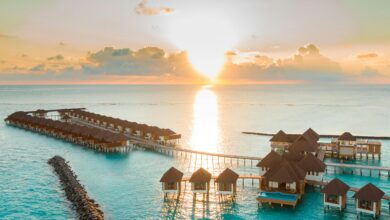
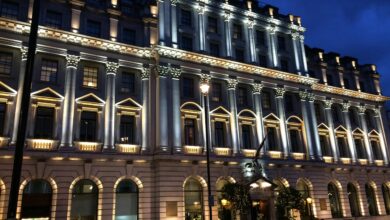
Whether it is a secluded overwater villa in the Maldives or a restored historical palace in the heart of Florence, the essence of an elite escape remains the same. These properties offer more than just a place to sleep; they provide a transformative experience that lingers in the memory long after the journey has ended. In this comprehensive exploration, we will look at what truly defines a world-class stay and how you can identify the properties that are pushing the boundaries of modern hospitality.
The Definition of Modern Architectural Luxury
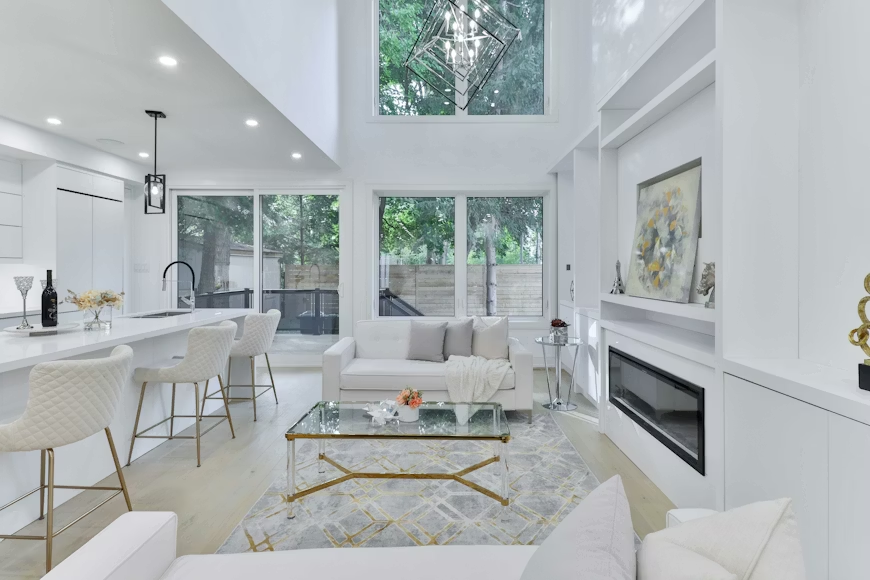
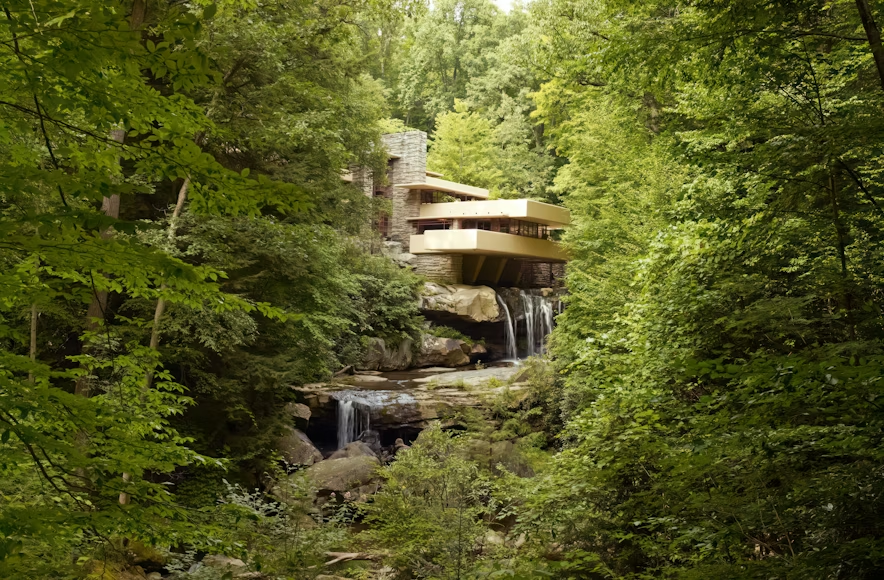
Luxury today is often defined by the harmony between a structure and its natural environment. Architects are moving away from massive, intimidating hotels toward designs that feel organic and respectful of the local landscape.
A. Integration with the surrounding natural topography is essential.
B. Utilization of sustainable and locally sourced building materials.
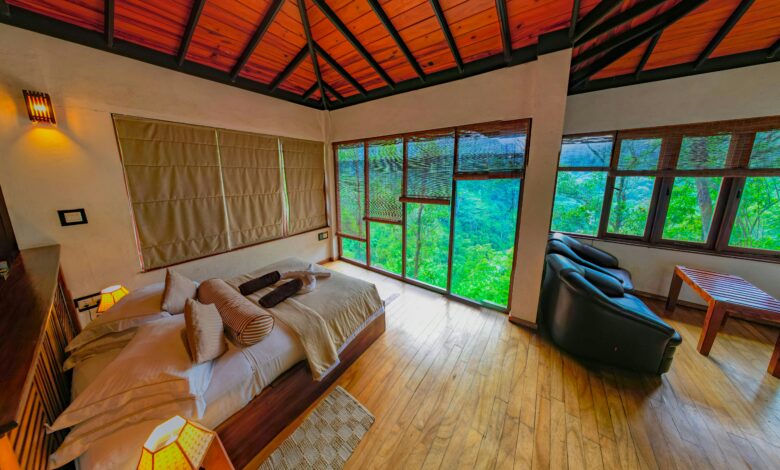
C. Expansive floor-to-ceiling glass to blur the line between indoors and outdoors.
D. Minimalist aesthetics that focus on high-quality textures and light.
E. Private outdoor living spaces that offer total seclusion from other guests.
A great building should tell the story of its location through its shape and materials. For example, a desert retreat might use rammed earth walls to naturally regulate temperature.
The use of “biophilic” design—incorporating plants and water features—has been shown to reduce stress significantly. This makes the physical building itself a tool for wellness and relaxation.
The Art of Personalized Guest Service
The true hallmark of a premium stay is service that feels invisible yet omnipresent. It is about a staff that knows your name, your favorite drink, and your preferred pillow type without being intrusive.
A. 24-hour dedicated butler service for personalized assistance.
B. Pre-arrival questionnaires to customize the in-room minibar and amenities.
C. Concierge teams with deep, exclusive connections to local experiences.
D. Seamless check-in processes that take place within the privacy of your suite.
E. Intuitive housekeeping that respects your personal schedule and habits.
Service at this level is a performance art that requires intense training and emotional intelligence. The staff must be able to read a guest’s mood and adjust their approach accordingly.
An “elite” concierge can secure a table at a fully booked Michelin-starred restaurant or arrange a private viewing of a museum after hours. These exclusive “access” moments are what guests value most.
Culinary Excellence and Gastronomic Journeys
Food is a central pillar of any world-class accommodation experience. Premium properties often host award-winning chefs who create menus inspired by the local terroir.
A. Farm-to-table dining experiences featuring ingredients grown on-site.
B. Multi-course tasting menus paired with rare vintage wines.
C. Private in-villa dining with a dedicated chef and sommelier.
D. Interactive cooking classes led by renowned culinary experts.
E. Breakfast offerings that celebrate local traditions with a modern twist.
The best hotels avoid generic international menus in favor of authentic local flavors. They source seafood from nearby docks and produce from independent local farmers.
Dining is not just about the food, but also about the atmosphere and the storytelling. Each dish should represent a piece of the destination’s cultural history.
Holistic Wellness and Spa Sanctuaries
A luxury stay is often a journey toward physical and mental rejuvenation. Modern spas have moved beyond simple massages to offer comprehensive medical and spiritual wellness programs.
A. Hydrotherapy circuits including saunas, steam rooms, and ice plunges.
B. Traditional healing rituals inspired by local indigenous cultures.
C. High-tech fitness centers with personalized trainers and biological tracking.
D. Guided meditation and yoga sessions in scenic outdoor pavilions.
E. Nutritional consultations and custom detox meal plans.
The goal of a modern spa is to provide a total “reset” for the guest’s biological systems. They often incorporate local herbs and minerals into their treatments for a unique sensory experience.
Private “spa suites” allow guests to enjoy treatments without ever leaving their room. This level of privacy is highly sought after by those looking for total disconnection.
The Importance of Interior Craftsmanship
Every piece of furniture and every fabric in a premium room should feel like a work of art. The tactile experience of a space is just as important as the visual one.
A. Hand-woven carpets and custom-designed furniture pieces.
B. High-thread-count Italian linens and silk-filled duvets.
C. Locally commissioned artwork that supports the regional creative community.
D. Smart home technology that is intuitive and easy to operate.
E. Soundproofing that ensures total silence regardless of the hotel’s location.
The materials used should appeal to all the senses, from the scent of cedar wood to the coolness of marble. Luxury is often found in the details that a casual observer might miss.
Thoughtful lighting design allows guests to change the mood of the room instantly. Warm, indirect lighting creates a cozy atmosphere that is perfect for winding down after a day of travel.
Exclusivity and the Power of Privacy
For the elite traveler, privacy is the ultimate currency. Properties that offer “buyouts” or have very few rooms are increasingly popular because they guarantee a sense of solitude.
A. Private islands that can only be reached by boat or helicopter.
B. Gated estates with high-level security for high-profile guests.
C. Hidden entrances and elevators to ensure anonymity.
D. Low guest-to-staff ratios to avoid crowded common areas.
E. Private beaches or forest trails accessible only to residents.
Privacy allows guests to truly be themselves without the pressure of a public eye. This is why private villas are growing faster than traditional hotel rooms in the luxury sector.
Seclusion does not mean isolation; it means having total control over who you interact with. Even in a busy city, a clever hotel design can create a “fortress of solitude.”
Immersive Cultural and Local Experiences
True luxury is about learning something new and connecting with a different way of life. World-class stays act as a bridge between the guest and the local community.
A. Private tours led by historians, artists, or local experts.
B. Participation in local festivals or community events with VIP access.
C. Craft workshops where guests can learn traditional local skills.
D. Philanthropic opportunities to give back to the local environment.
E. Architecture walks that explain the historical significance of the area.
Travelers today want to leave a destination feeling like they truly “know” it. They are looking for authenticity rather than a sanitized, “touristy” version of reality.
Luxury properties often collaborate with local artisans to create unique decor and amenities. This creates a sense of place that cannot be replicated anywhere else in the world.
The Shift Toward Sustainable Opulence
Environmental responsibility is no longer a choice for premium accommodations; it is a requirement. Guests want to enjoy luxury without feeling guilty about their carbon footprint.
A. Elimination of single-use plastics throughout the entire property.
B. Advanced water filtration systems to reduce bottled water waste.
C. On-site solar arrays or wind turbines for clean energy.
D. Greywater recycling for garden irrigation and landscaping.
E. Support for local wildlife conservation projects and habitats.
Sustainability and luxury are perfectly compatible when handled with intelligence and care. In fact, many “green” technologies actually improve the guest experience, such as better air filtration.
Organic gardens on the property provide the kitchen with the freshest possible ingredients. This reduces “food miles” while simultaneously offering guests superior quality.
Tech-Enabled Comfort and Connectivity
While many travel to disconnect, they still expect technology to work perfectly when they need it. A smart luxury room uses tech to simplify life, not complicate it.
A. Ultra-high-speed satellite internet for remote work capabilities.
B. Intuitive bedside tablets that control lighting, temperature, and service.
C. Streaming capabilities that allow guests to use their own media accounts.
D. Silent, high-efficiency climate control systems with air purification.
E. Keyless entry through smartphone apps or biometric sensors.
The best technology is the kind that you don’t even notice until you need it. It should respond instantly and require no manual to understand.
Charging ports should be conveniently located exactly where you need them. Small details like these prevent the “friction” that can ruin a relaxing stay.
The Evolution of the Luxury Bathroom
The bathroom has transitioned from a functional space to a private spa-like retreat. It is often the room that guests remember most fondly after their stay.
A. Deep soaking tubs with views of the ocean or city skyline.
B. Rainfall showerheads with customized water pressure and temperature.
C. Premium organic bath products developed specifically for the hotel.
D. Heated floors and towel racks for maximum comfort in cold climates.
E. Smart mirrors with integrated displays for news or entertainment.
A great bathroom design focuses on the transition from the busy world to a state of relaxation. Double vanities and separate water closets are standard in the elite category.
Lighting in the bathroom must be versatile, providing bright light for grooming and soft light for bathing. High-quality stone like onyx or marble adds a timeless feeling of elegance.
Curated Libraries and In-Room Entertainment
For the modern intellectual traveler, a well-stocked library or a high-end vinyl collection can be a major draw. These features add a “home-like” feel to a hotel room.
A. Collections of art and history books curated by local scholars.
B. High-fidelity sound systems with a selection of classic records.
C. Private cinema rooms for watching films in total comfort.
D. Acoustic instruments like grand pianos or guitars for guest use.
E. Game rooms featuring handcrafted chess sets or billiards tables.
These amenities encourage guests to slow down and enjoy the present moment. They provide a sophisticated alternative to mindlessly scrolling through a smartphone.
Providing physical books and records is a “tactile luxury” that many people miss in their digital lives. It adds a layer of soul and personality to the accommodation.
The Role of Scent and Sensory Branding
Luxury hotels often have a “signature scent” that is diffused through the lobby and common areas. This creates a powerful olfactory memory that guests associate with the property.
A. Custom-blended essential oils used in the air conditioning system.
B. Scented candles or diffusers in guest rooms that match the time of day.
C. High-quality toiletries that feature the same signature fragrance.
D. Fragrant gardens with jasmine or lavender near guest windows.
E. Scented cold towels provided upon arrival or after outdoor activities.
Scent is the sense most closely linked to memory and emotion. A familiar smell can instantly transport a traveler back to their favorite vacation spot.
The branding should be subtle and sophisticated, never overwhelming. It should feel like a natural part of the environment, like the smell of fresh sea air or pine needles.
Boutique vs. Grand Historical Properties
There are two main styles of elite accommodations: the intimate boutique hotel and the grand historical palace. Both offer a different but equally compelling version of luxury.
A. Boutique hotels offer a high level of quirkiness and personality.
B. Historical properties provide a sense of timelessness and grandeur.
C. Small hotels allow for a closer relationship between guests and staff.
D. Renovated palaces feature original architectural details and antiques.
E. Both categories must offer modern amenities despite their style.
A boutique stay often feels like visiting the home of a very wealthy, very tasteful friend. These properties are often located in “up-and-coming” neighborhoods or hidden alleys.
Historical hotels, on the other hand, allow you to walk the same halls as kings and queens. They represent a preservation of culture that is increasingly rare in our modern world.
The Future of High-End Hospitality
As we look forward, the trend is moving toward even more personalization and “transformational” travel. Guests don’t just want to see a place; they want to be changed by it.
A. Use of artificial intelligence to predict guest preferences with precision.
B. Expansion of luxury stays into space and undersea environments.
C. Deep focus on mental health with on-site psychologists or coaches.
D. Hyper-local “micro-experiences” that change with the seasons.
E. Evolution of “membership-only” clubs within global hotel brands.
AI will soon allow hotels to adjust room art, temperature, and even scents before you walk in. Your digital profile will ensure your preferences follow you across the globe.
Despite all the technology, the human connection will always be the most important part of hospitality. No robot can replace the warmth of a genuine smile or a thoughtful gesture.
Developing a Global Luxury Mindset
Becoming a connoisseur of premium stays requires a refined eye and an appreciation for craft. It is about recognizing the difference between “expensive” and “valuable.”
A. Research the history and ownership of a property before booking.
B. Read reviews from trusted, independent luxury travel experts.
C. Look for properties that have won prestigious design or service awards.
D. Pay attention to the small details, like the quality of the stationery.
E. Trust your intuition—luxury should always feel effortless and right.
A high price tag does not always guarantee a high-quality experience. Sometimes the most luxurious stay is a simple cottage in a place of extreme natural beauty.
True world-class hospitality is about making every guest feel like the most important person in the building. When a property achieves this, it has truly mastered the art of the elite escape.
Conclusion
Finding the perfect premium accommodation is about more than just a five-star rating. You should look for a place that aligns with your personal values and aesthetic. Every world-class stay should offer a unique window into the local culture. High-quality service is the invisible thread that holds a luxury experience together.
You deserve a sanctuary that restores your energy and inspires your creativity. Technology should always be used to simplify your stay, never to complicate it.Sustainability has become a core component of modern architectural excellence. True luxury is found in the quiet moments of peace and total seclusion. Do not be afraid to seek out the hidden gems that offer personalized attention.
The best memories are created in environments where every detail is considered. Your next elite escape is waiting to transform the way you see the world. Invest in experiences that will stay with you for the rest of your life.