Introduction: The Modern Quest for Restorative Travel
For much of the last century, the concept of a “vacation” was primarily centered around temporary escape, focusing heavily on superficial indulgence—like excessive dining, passive relaxation by a pool, or intense, often exhausting, sightseeing—with little intentional consideration given to the long-term, genuine restoration of one’s mental and physical well-being. This traditional model of leisure, while enjoyable in the moment, often led to a post-trip crash, where the traveler returned home feeling equally, if not more, stressed and depleted than when they initially departed, having simply substituted one type of burnout for another.
Recognizing this profound gap between momentary enjoyment and lasting rejuvenation, the hospitality industry has rapidly evolved, giving rise to specialized wellness retreats and hotels that fundamentally shift the purpose of travel from mere diversion to active, holistic self-improvement. These innovative destinations are intentionally designed as comprehensive sanctuaries, where every element—from the architectural design and the culinary offerings to the scheduling of activities—is meticulously crafted to prioritize and enhance the guest’s physical, mental, and spiritual health.
Understanding the philosophy and specialized offerings of these retreats is the key for the modern individual seeking travel that doesn’t just entertain, but profoundly heals and equips them to face the stresses of contemporary life with renewed resilience and focus.
Pillar 1: Defining the Wellness Hotel Philosophy
A true wellness hotel is defined not by its spa, but by its core commitment to holistic health integration across all services.
A. Moving Beyond the Standard Spa
The integration of wellness must permeate the entire property, not just a single facility.
- Holistic Integration: A wellness hotel is not just a hotel with a spa; it is a property where the philosophy of well-being informs every operational decision, from the lighting and music to the cleaning products used.
- Proactive Health: The focus is proactive, not reactive. Instead of treating ailments, the retreat helps guests establish sustainable, healthy habits they can take home.
- The Environment as Therapy: The natural environment (ocean, mountains, forest) is seen as a crucial therapeutic tool, with activities deliberately integrating the surroundings into the healing process.
B. The Focus on Mind-Body Connection
True rejuvenation addresses both the psychological and the physiological systems simultaneously.
- Stress Reduction: Core programming is aimed directly at reducing chronic stress through practices like mindfulness, meditation, and deep breathing exercises, calming the nervous system.
- Movement as Medicine: Physical activity is reframed as joyful and restorative, focusing on low-impact movement (yoga, Pilates, swimming) rather than high-intensity, stress-inducing workouts.
- Mental Clarity: Retreats often incorporate digital detox or technology-free spaces to help guests break the cycle of constant connectivity, allowing for true mental decompression and clarity.
C. The Dedicated Wellness Team
Expert guidance is provided by highly specialized, credentialed professionals.
- Certified Practitioners: The staff extends beyond basic massage therapists to include certified yoga instructors, clinical nutritionists, mindfulness coaches, and sometimes even medical doctors specializing in functional health.
- Personalized Consultations: Guests often begin their stay with a detailed one-on-one consultation to assess their current health baseline and set specific, achievable goals for the duration of the retreat.
- Ongoing Support: Many retreats offer follow-up support or virtual sessions once the guest returns home, ensuring the momentum and habits established during the stay are sustained long-term.
Pillar 2: Architectural and Sensory Design
The physical hotel environment is meticulously engineered to minimize stress and promote tranquility.
A. Biophilic Design Principles
The architecture actively seeks to integrate the guest with the natural world, even indoors.
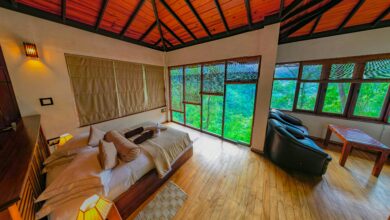
- Natural Elements: Biophilic design is used, incorporating natural materials (wood, stone), abundant natural light, and access to fresh air, proven to reduce stress levels.
- Color Palette: The color scheme is deliberately calming and muted, favoring neutral tones, soft blues, and greens that evoke the natural environment, avoiding harsh or overly stimulating colors.
- Water Features: The inclusion of natural water features (small fountains, reflection pools) provides soothing auditory input, scientifically shown to lower heart rate and blood pressure.
B. The Sanctity of the Sleep Experience
Sleep quality is viewed as the non-negotiable foundation of any successful wellness stay.
- Optimized Bedding: Rooms feature premium, often organic or hypo-allergenic bedding, with specialized mattresses designed for optimal spinal alignment and deep sleep cycles.
- Light and Noise Control: Bedrooms utilize blackout curtains or shades to eliminate external light and advanced soundproofing to guarantee absolute silence, essential for restorative sleep.
- Sleep Concierge: Some high-end retreats offer a “Sleep Concierge” service, providing specialized pillow menus, in-room aromatherapy diffusers, and customized tea rituals to promote evening relaxation.
C. Creating Zen Spaces
Common areas are designed for quiet reflection and social connection, never for crowds.
- Meditation Gardens: Properties include dedicated, quiet spaces like meditation gardens, serene walking labyrinths, or quiet reading nooks designed for individual contemplation.
- Low-Tech Lounges: Common lounges often emphasize board games, books, or art supplies over television screens or loud background music, encouraging quiet, meaningful interaction.
- Air and Aroma Quality: The entire building often uses advanced air purification systems and subtle, natural aromatherapy (e.g., pure essential oils) to create a therapeutic and clean olfactory environment.
Pillar 3: Customized Culinary Programs
Food is treated as powerful medicine and a core part of the healing and educational journey.
A. The Anti-Inflammatory Kitchen
The diet is intentionally designed to reduce inflammation and support gut health.
- Whole, Unprocessed Foods: Menus emphasize whole, unprocessed, nutrient-dense foods—primarily fresh vegetables, lean proteins, healthy fats, and complex carbohydrates.
- Elimination Diets: Retreats often specialize in elimination diets (e.g., gluten-free, dairy-free, sugar-free) designed to reset the body and identify food sensitivities.
- Local and Organic Sourcing: The highest-tier retreats commit to hyper-local and organic sourcing, often utilizing on-site gardens or nearby farms to guarantee the freshness and quality of ingredients.
B. Educational and Mindful Eating
The culinary experience includes training the guest in better eating habits, not just feeding them.
- Cooking Classes: Guests are invited to attend interactive cooking classes led by the resident chef, teaching them how to prepare the healthy meals they enjoy during their stay.
- Mindful Dining: Meals are structured around mindful eating practices, encouraging guests to slow down, savor each bite, and be fully present, improving digestion and satiety.
- Personalized Nutrition Plans: A resident nutritionist often develops a personalized, detailed meal plan and shopping list for the guest to take home, ensuring the healthy habits continue.
C. The Hydration and Elixir Bar
A focus on functional beverages supports internal cleansing and replenishment.
- Herbal Teas and Tinctures: Instead of alcohol or sugary sodas, the beverage menu features a vast selection of functional beverages, including specialized herbal teas, therapeutic tinctures, and custom-blended smoothies.
- Juice Programs: Many retreats offer cold-pressed juice programs or “elixir bars” focused on specific health goals, such as liver support, detoxification, or immune boosting.
- Conscious Alcohol Policy: Alcohol service is often either completely absent or highly restricted and consciously discouraged, removing one of the major hindrances to deep physical rest and recovery.
Pillar 4: Programming and Activities
The schedule is built around intentional, structured activities designed to promote inner balance and discovery.
A. The Core Movement Pillars
Daily activities balance physical effort with flexibility and restorative rest.
- Yoga and Pilates: Daily yoga (Vinyasa, Hatha, or Yin) and Pilates sessions are foundational, focusing on spinal health, core strength, and flexibility, tailored to all experience levels.
- Nature-Based Exercise: Activities leverage the location, such as guided nature hikes, ocean swimming, or forest bathing (Shinrin-Yoku), emphasizing the therapeutic benefits of the natural setting.
- Functional Fitness: Workouts focus on functional fitness—exercises that prepare the body for daily life—rather than performance-based goals, promoting longevity and injury prevention.
B. Deep Relaxation and Therapeutic Practices
These programs target deep nervous system restoration and psychological healing.
- Sound Therapy: Sessions utilizing sound baths (singing bowls, gongs) or specialized therapeutic music are used to promote deep relaxation and altered states of consciousness.
- Breathwork: Guided breathwork sessions teach guests techniques to actively manage their autonomic nervous system, a powerful tool for reducing anxiety and improving mood.
- Journaling and Reflection: Structured time for journaling, group discussions, and guided reflection encourages guests to process stress and gain insight into their mental state.
C. Specialized Therapies and Water Cures
Beyond standard massage, cutting-edge treatments are often offered.
- Hydrotherapy Circuits: Retreats often feature elaborate hydrotherapy circuits, including plunge pools, steam rooms, saunas, and Turkish hammams, used to boost circulation and aid muscle recovery.
- Traditional Eastern Medicine: Access to practitioners of Traditional Chinese Medicine (TCM), including acupuncture, cupping, or specialized herbal consultations, is common.
- Mindfulness Training: Retreats may include formal instruction in Transcendental Meditation (TM) or focused mindfulness techniques, providing a cognitive skill that guests can practice anywhere.
Pillar 5: Choosing and Customizing Your Retreat
Selecting the right environment and program is crucial for achieving desired results.
A. Destination and Focus Alignment
The geographic location should align with the guest’s specific wellness goals.
- Forest vs. Ocean: A mountain or forest setting is ideal for detox, meditation, and quiet reflection, while a coastal or ocean setting is better for active movement, high-energy healing, and sun exposure.
- Specific Programs: Review the retreat’s core specialization. Some focus heavily on weight management, others on post-burnout recovery, and others on spiritual growth. Choose the one that meets your current needs.
- Climate Consideration: Consider the climate. A cold-weather environment might be better for thermal therapy, while a hot climate is more conducive to activities like vigorous daily swimming or outdoor yoga.
B. The Structure of the Stay
Decide whether you need a highly rigid, structured program or a flexible approach.
- Full Immersion (Structured): These retreats have a mandatory, fixed schedule (wake-up time, meal times, activity blocks). This is ideal for those who need discipline and external structure to reset their habits.
- A La Carte (Flexible): These hotels offer wellness activities and services, but the guest chooses which to attend. This is better for those who want to integrate rest and exploration alongside wellness practices.
- Duration of Stay: Most wellness effects are achieved with a stay of at least 5 to 7 days. Shorter stays are good for stress relief but often insufficient for deep habit formation.
C. Budget and Inclusions Verification
Thoroughly understand what is included in the package price to avoid financial surprises.
- All-Inclusive vs. A La Carte: Clarify if the quoted price is all-inclusive (covering all meals, classes, and group therapies) or if only the room is covered, and all activities are charged separately.
- Therapy Limits: Check if the package includes mandatory one-on-one sessions (e.g., one massage, one consultation). Any additional sessions are usually a high cost.
- Taxes and Gratuities: Verify if service charges and local taxes are included in the final price, as these non-negotiable fees can often add a surprise 15-25% to the final bill.
Conclusion: Sustainable Well-being Through Travel
Wellness retreats provide a vital antidote to the relentless demands and stresses of contemporary life.
These specialized properties consciously move beyond superficial relaxation to deliver active, sustainable rejuvenationof both the body and the mind. The core philosophy centers on holistic integration, ensuring that every design and service decision actively supports the guest’s comprehensive health goals.
The guest experience is often founded upon a commitment to optimized sleep quality, facilitated by rigorously designed, silent, and light-controlled sanctuary bedrooms. Food is viewed as a powerful tool for healing, with menus emphasizing local, anti-inflammatory, whole foods and eliminating common dietary stressors.
Daily schedules are built around a balance of gentle, restorative movement (like yoga and nature walks) and deep nervous system practices, such as breathwork and sound therapy. The entire retreat environment is intentionally engineered using biophilic design to be calming and organically integrated with the surrounding nature.
Selecting the appropriate retreat requires aligning the property’s core focus (e.g., detox, spiritual, fitness) with the traveler’s current, specific personal health objectives. This investment transforms travel from a temporary diversion into a long-term strategy for maintaining mental clarity and physical resilience.