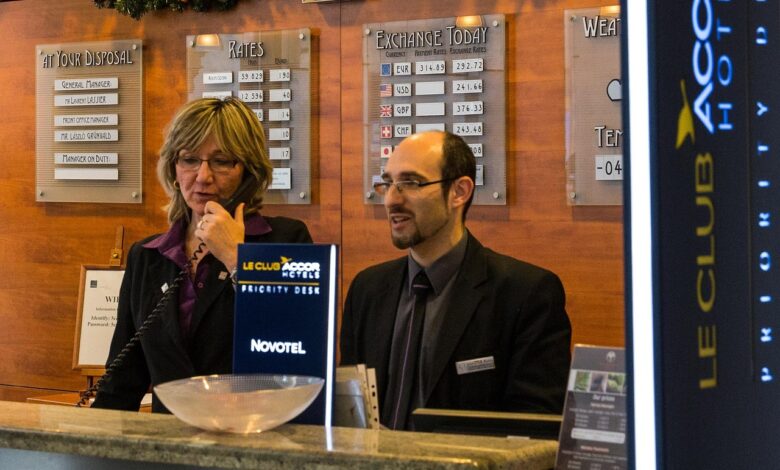
The landscape of modern travel has shifted from mere logistics to a sophisticated game of digital strategy and timing. In the world of high-end hospitality, securing the perfect suite at the best possible value requires more than just a quick search; it demands an understanding of complex reservation optimization systems. These systems are the invisible engines driving the luxury market, balancing real-time inventory with fluctuating global demand. For the discerning traveler, mastering these tools means gaining access to exclusive upgrades, hidden inventory, and elite perks that are never visible to the casual browser. As hotels integrate artificial intelligence and predictive analytics into their booking engines, the art of the reservation has become a blend of data science and personal networking.
Today, high-net-worth individuals and corporate planners rely on these optimization frameworks to ensure their stays are as seamless as they are prestigious. This article will deconstruct the mechanics of smart booking, from the algorithms that set pricing to the loyalty ecosystems that unlock the most coveted rooms. We will explore how technology is transforming the guest experience before the traveler even sets foot in the lobby. By understanding the strategic side of luxury reservations, you can transform every journey into a masterpiece of efficiency and refinement.
The Architecture of Modern Booking Engines

Luxury hotels no longer use simple spreadsheets to manage their rooms. They utilize highly advanced software suites designed to maximize every cent of revenue.
A. Central Reservation Systems (CRS)
The CRS is the “brain” of the hotel’s digital operation, connecting every room to the global marketplace. It ensures that when a guest books a suite in Paris, that same room is instantly removed from every other platform worldwide.
B. Revenue Management Algorithms
These systems analyze thousands of data points, including local events, weather, and historical booking patterns. If a major gala is announced, the algorithm will automatically adjust prices to reflect the surge in demand.
C. Dynamic Inventory Allocation
Hotels often hold back their most prestigious suites for direct bookings or elite members. Strategic systems allow managers to “yield” these rooms only to guests who meet specific high-value criteria.
Leveraging Global Distribution Systems (GDS)
The GDS is the massive network that connects luxury travel agents and corporate planners to hotel inventories globally.
A. Real-Time Data Synchronicity
The GDS allows for instant updates, meaning travel advisors can see the exact same room availability as the hotel’s front desk. This eliminates the risk of double-booking and ensures that VIP requests are handled immediately.
B. Exclusive Rate Access Codes
Strategic optimization often involves “negotiated rates” that are only accessible via specific GDS codes. These rates frequently include “value-adds” like complimentary breakfast, spa credits, or late check-outs.
C. Integration with Corporate Portals
Large corporations use GDS-connected portals to manage executive travel. These systems are optimized to prioritize luxury properties that offer specific safety and privacy standards.
The Power of Direct Booking Ecosystems
While third-party sites are popular, the most strategic way to optimize a luxury stay is through the hotel’s own direct ecosystem.
A. Loyalty Program Integration
Booking directly allows for the seamless application of loyalty points and status benefits. For elite members, this often results in automatic “space-available” upgrades that external sites cannot guarantee.
B. Personalized Guest Profiles
Direct booking systems store your preferences, from your favorite pillow type to your dietary restrictions. This data allows the optimization system to “personalize” the offer you see the next time you log in.
C. Best Rate Guarantee (BRG) Strategies
Luxury brands often promise the lowest price on their own websites. If you find a lower rate elsewhere, these systems often match it and add an extra discount or gift.
Artificial Intelligence in Predictive Booking
AI is the newest frontier in reservation optimization, helping guests and hotels predict the future of pricing.
A. Price Trend Forecasting
Some advanced booking tools use AI to tell you whether to “buy now” or “wait.” They analyze years of data to predict if a room price will drop in the coming weeks.
B. AI-Driven Concierge Chatbots
Strategic systems now include intelligent bots that can handle complex booking requests. They can suggest the best room based on your past behavior and current needs.
C. Sentiment Analysis for Room Selection
AI can scan thousands of guest reviews to recommend a specific room number that is quieter or has a better view. This level of optimization ensures the guest gets exactly what they desire.
Optimization Through Mobile Technology
The smartphone has become a powerful remote control for the luxury hotel experience, from booking to check-out.
A. Mobile-Exclusive Elite Offers
Many luxury brands offer special rates that are only visible through their mobile apps. These “app-only” deals are designed to drive engagement and bypass expensive third-party commissions.
B. Digital Key and Check-In Systems
Strategic optimization isn’t just about price; it’s about time. Mobile systems allow VIPs to bypass the front desk entirely and head straight to their suite.
C. Real-Time In-App Upgrades
If a hotel has unsold luxury suites on the day of arrival, the app may send a “last-minute” upgrade offer. This allows the guest to access a $2,000 suite for a fraction of the original price.
Group and Event Reservation Systems
Managing reservations for weddings, galas, or corporate retreats requires a specialized set of optimization tools.
A. Room Block Management Tools
These systems allow event planners to hold a large number of rooms at a fixed price. Guests can then log into a “private portal” to book their individual stays within that block.
B. Yield Management for Event Dates
Hotels use these tools to ensure that an event doesn’t displace their most loyal, high-paying individual travelers. It is a delicate balance of volume versus high-margin individual sales.
C. Integrated Billing and Folio Tracking
For large groups, optimization includes the back-end financial management. These systems can split bills between the master account and individual guests with perfect accuracy.
The Role of Virtual Reality (VR) in Booking
VR is changing how high-end travelers choose their accommodations by offering “try before you buy” experiences.
A. Immersive Suite Walkthroughs
Instead of static photos, guests can use VR headsets to walk through a penthouse suite. This reduces “booking friction” and gives the guest complete confidence in their high-value purchase.
B. Virtual Neighborhood Exploration
Optimization systems can integrate VR to show the view from the balcony at different times of the day. This ensures that the “city view” or “ocean view” meets the guest’s expectations.
C. Bespoke Event Space Planning
For corporate events, VR allows planners to see different furniture layouts in a ballroom. This helps optimize the space for the number of guests and the flow of the event.
Security and Privacy in Luxury Reservations
For high-profile guests, the most important part of a reservation system is how it protects their sensitive data.
A. PCI-DSS Compliance for Payments
Luxury systems use the highest level of encryption to protect credit card information. This is critical when handling the large deposits required for presidential suites.
B. Alias and Privacy Management
Strategic systems allow celebrities and diplomats to book under an alias. The system then “masks” their true identity from all but the most essential hotel staff.
C. Encrypted Communication Channels
All communication between the guest and the hotel is encrypted. This ensures that personal preferences and travel schedules are never intercepted by third parties.
Sustainable and Ethical Booking Choices
Modern optimization systems are now incorporating “green” metrics to help guests make more conscious choices.
A. Carbon Footprint Tracking
Some booking engines now show the estimated carbon impact of your stay. This allows eco-conscious luxury travelers to choose properties with better sustainability ratings.
B. Local Impact and Fair Trade Certifications
Systems can highlight hotels that support local artisans or use sustainable food sources. This aligns the reservation process with the guest’s personal ethics and values.
C. Green Loyalty Incentives
Some hotels offer “green points” for guests who choose to skip daily housekeeping or use digital check-in. These points can then be optimized for future stays or charitable donations.
Future Trends in Hospitality Tech
The next decade will bring even more radical changes to how we find and book our luxury escapes.
A. Blockchain-Based Room Tokens
In the future, a hotel reservation could be a “digital token” that you can trade or sell if your plans change. This would create a secondary market for non-refundable high-value bookings.
B. Hyper-Personalized Dynamic Pricing
Prices may soon be tailored to the individual, rather than just the market. Your loyalty, social media influence, and past spending could all influence the rate you see.
C. Universal Travel Identity Profiles
A single digital “passport” could hold all your travel preferences and loyalty data. This would allow any luxury hotel system to recognize and optimize your experience instantly upon booking.
Conclusion

Strategic luxury hotel reservation optimization systems have become the backbone of the modern high-end travel experience. Understanding these platforms allows travelers to unlock values and experiences that remain hidden from the general public. The integration of artificial intelligence is making the booking process more predictive and personalized than ever before. Direct booking remains the gold standard for those looking to maximize their loyalty benefits and personal service. Mobile technology has streamlined the journey from the first click of a button to the final check-out.
High-value reservations require a balance of cutting-edge data science and a human touch for true luxury. Privacy and security are the most critical components of any system handling elite travel data. Sustainability metrics are now a vital part of the decision-making process for the modern affluent traveler. Future technologies like blockchain and hyper-personalization will continue to redefine the boundaries of hospitality. A well-optimized reservation ensures that the guest’s time is respected as much as their financial investment.
The shift toward immersive VR walkthroughs is reducing the uncertainty often associated with luxury bookings. Hotels are using these systems to build deeper, more meaningful relationships with their most frequent guests. The transparency provided by modern systems helps maintain the high standards expected in the luxury sector. Every successful stay begins with a strategically executed reservation that aligns with the guest’s unique lifestyle. By staying informed about these technological shifts, you can ensure your travels are always at the peak of refinement. The art of travel is evolving into a digital symphony of data, desire, and impeccable execution. Ultimately, the goal of every optimization system is to create a stay that is as effortless as it is unforgettable.